P.O. Box 178326, Kampala, Uganda +256 758 315 720

Programs

The work, in full.

Capacity building, peace, education, safety, heritage, childcare, and livelihoods.

Capacity building and training

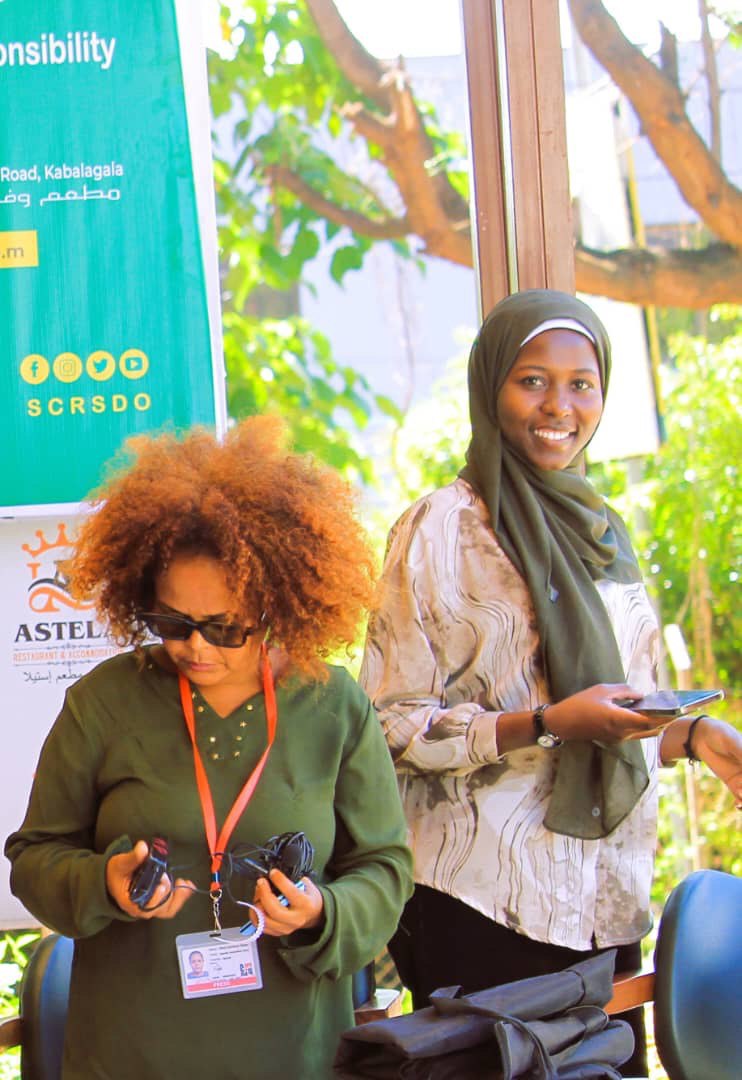
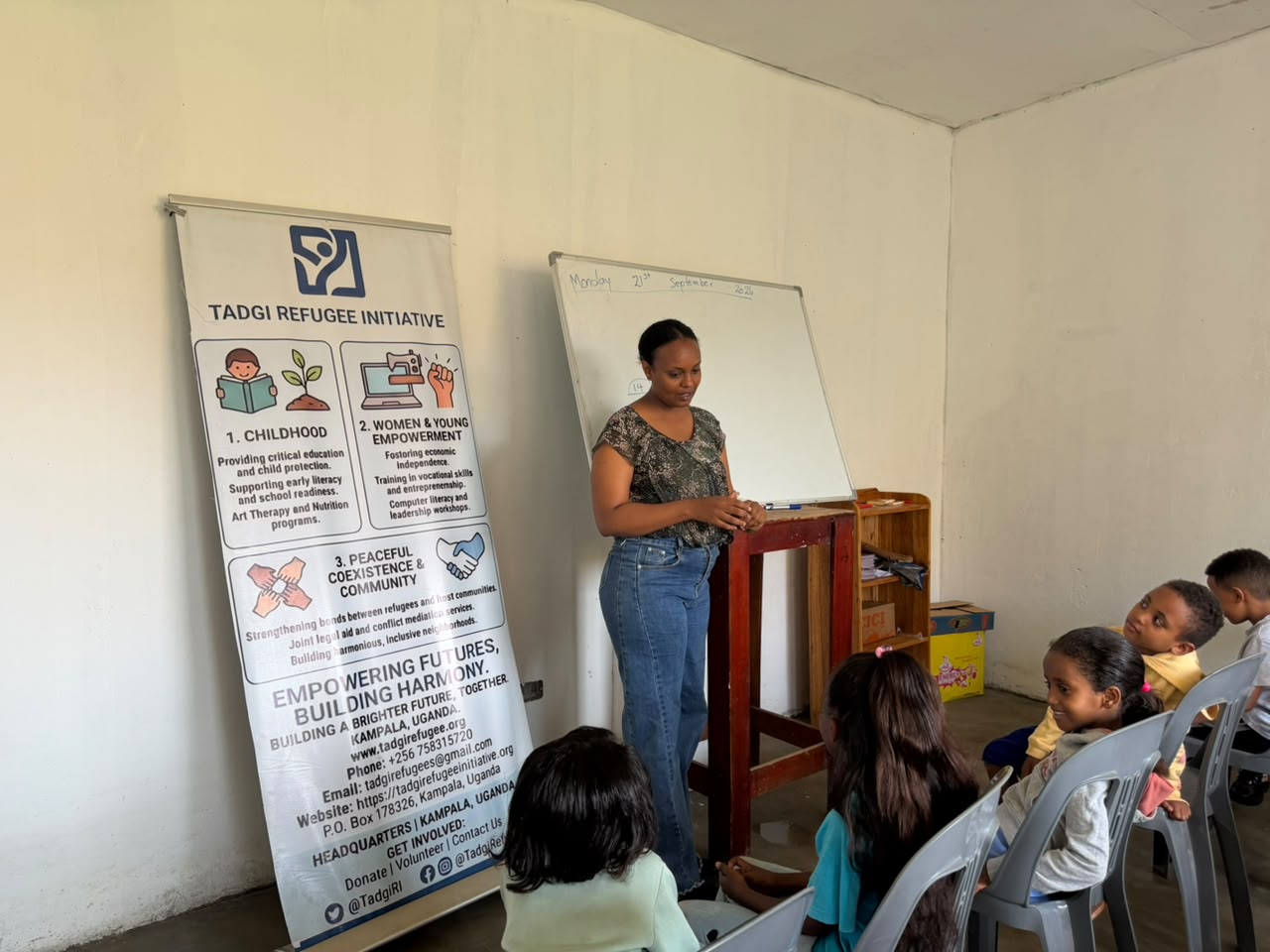
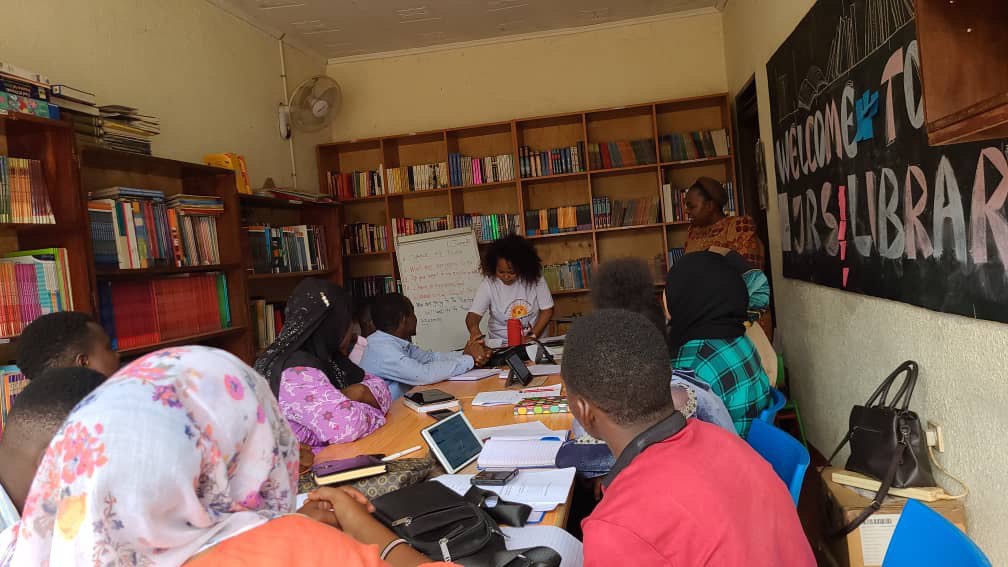
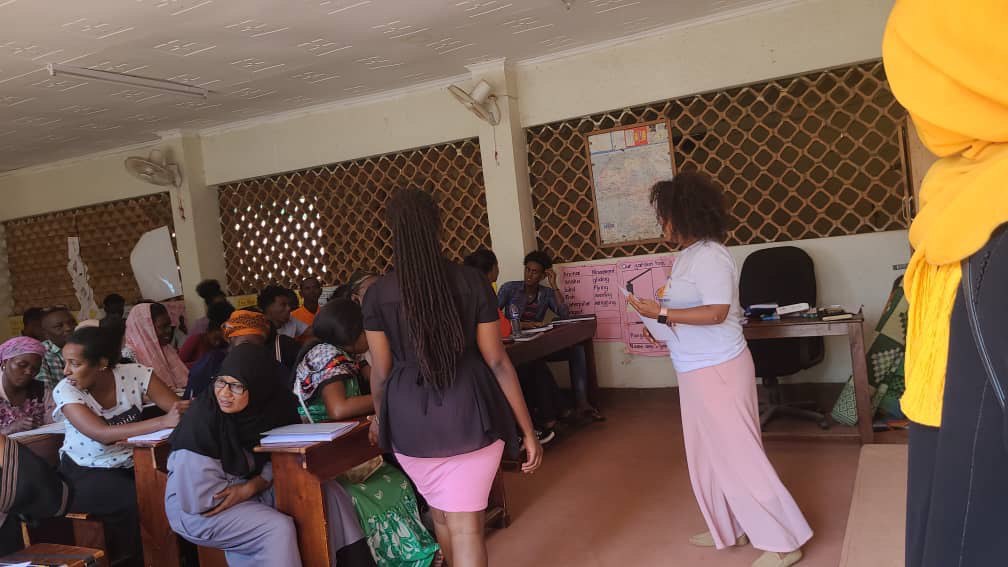
Tadgi Refugee Initiative delivers capacity building and training that equip communities, frontline workers, and caregivers with the skills needed to support vulnerable people. From child protection and gender-based violence prevention to trauma-informed care and livelihood development, trainings are designed to strengthen local ownership and build community-led support systems.
Peacebuilding

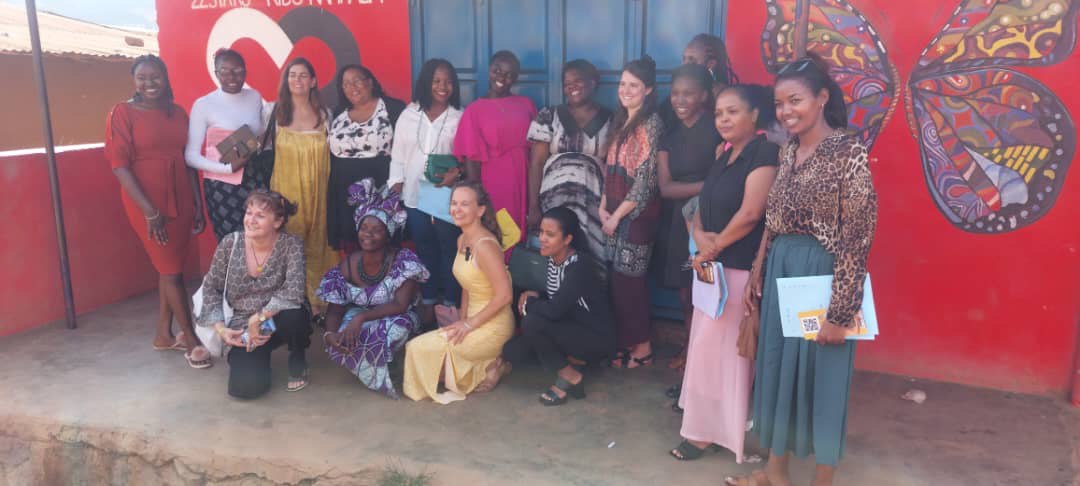
Peacebuilding is a core part of the mission: fostering dialogue, trust, and social cohesion among displaced communities and host populations. Through community forums, youth workshops, and inclusive leadership training, Tadgi creates spaces where tensions can ease, voices are heard, and mutual understanding can grow. Participants practice conflict resolution, trauma-informed tools, and collaborative problem-solving so violence is harder to take root. Peace is treated as a process that every voice helps shape.

Social entrepreneurship

Tadgi empowers displaced people, especially women and youth, to become agents of change through social entrepreneurship. Training, mentorship, and seed funding help participants develop ventures that meet community needs while generating income. The work supports economic independence as well as dignity, innovation, and resilience. From ethical crafts to community-based services, entrepreneurship is used as a tool for both livelihood and social impact.

Education and back-to-school

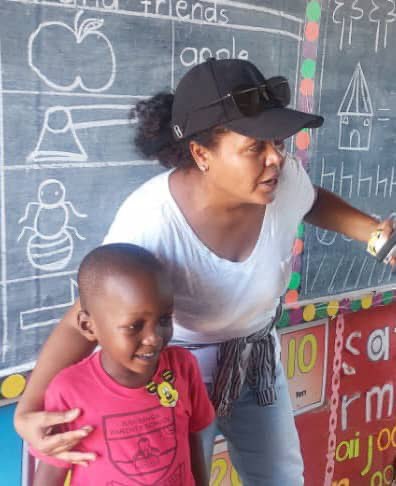
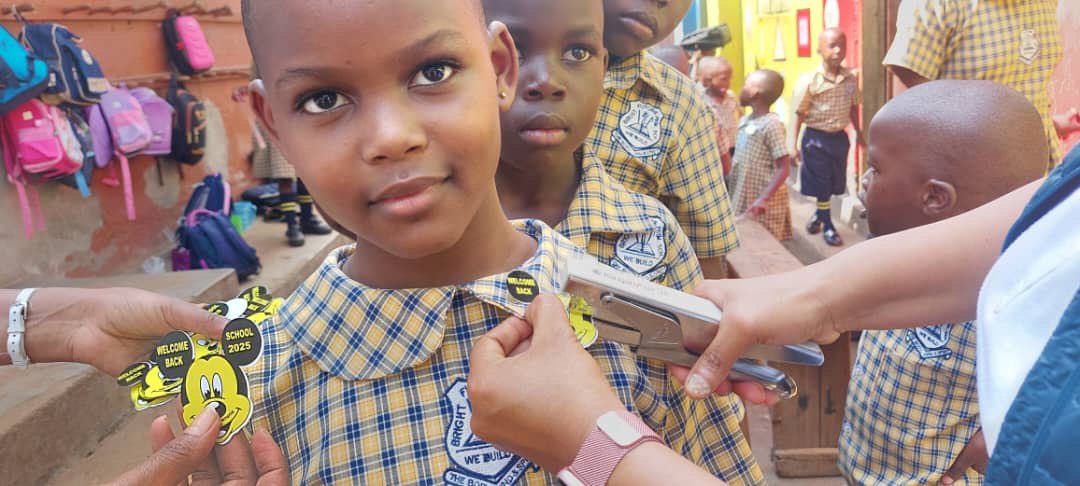
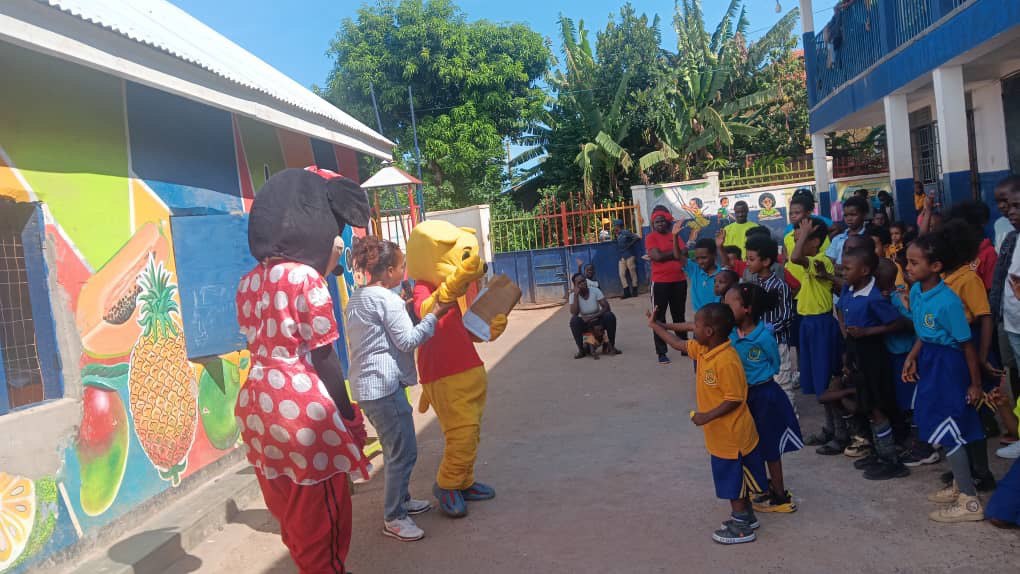
Education is a lifeline for displaced children: structure, purpose, and a path forward. Back-to-school work supports vulnerable children through reintegration drives, learning materials, and safe, inclusive classrooms. Catch-up classes, psychosocial support, and mentorship help learners deal with the disruption displacement causes. Families, teachers, and community leaders are part of the effort so no child is left behind.

Gender-based violence prevention

Tadgi takes a survivor-centered approach to preventing gender-based violence, especially where displacement raises the risk. Awareness, safe spaces, and community-led dialogue challenge harmful norms and support women and girls to speak. Trainings equip frontline workers, youth leaders, and caregivers to identify, prevent, and respond safely. Protective networks and accountability help communities become places where dignity is upheld.

Cultural heritage preservation

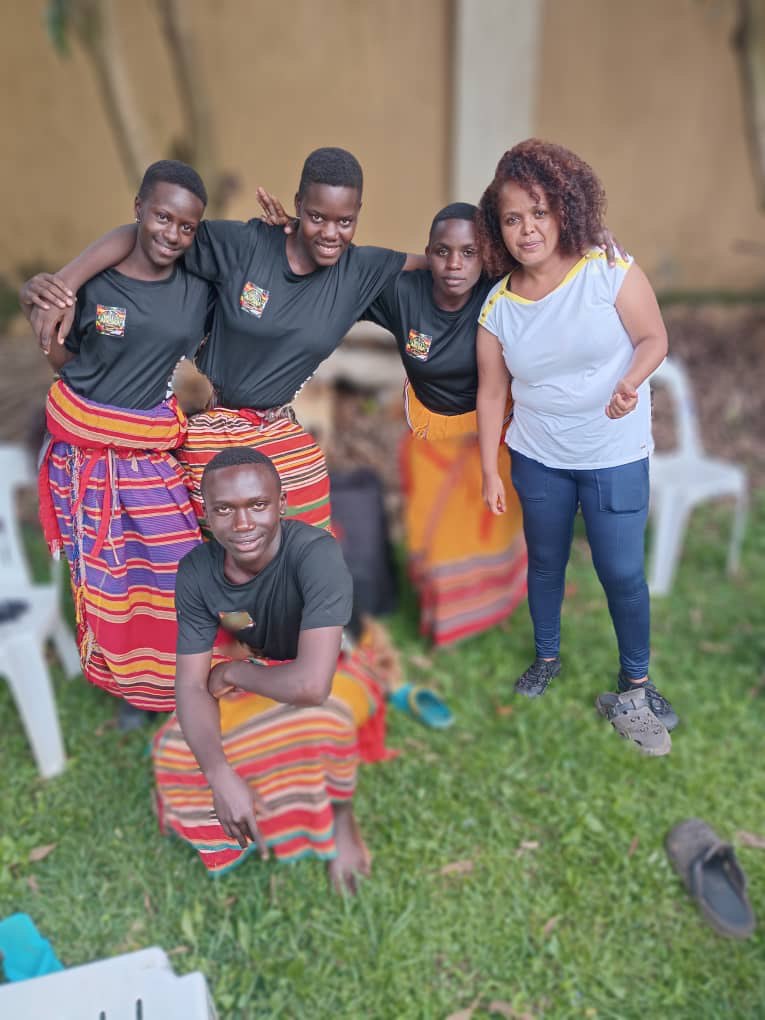
Displacement often cuts communities off from cultural roots. Heritage programs protect, celebrate, and pass on the traditions, stories, and identities of refugee populations, particularly children and women. Intergenerational storytelling, traditional arts workshops, and community heritage events help families reconnect with their narratives and with a sense of belonging. The same work invites understanding in host communities.

Child care and development

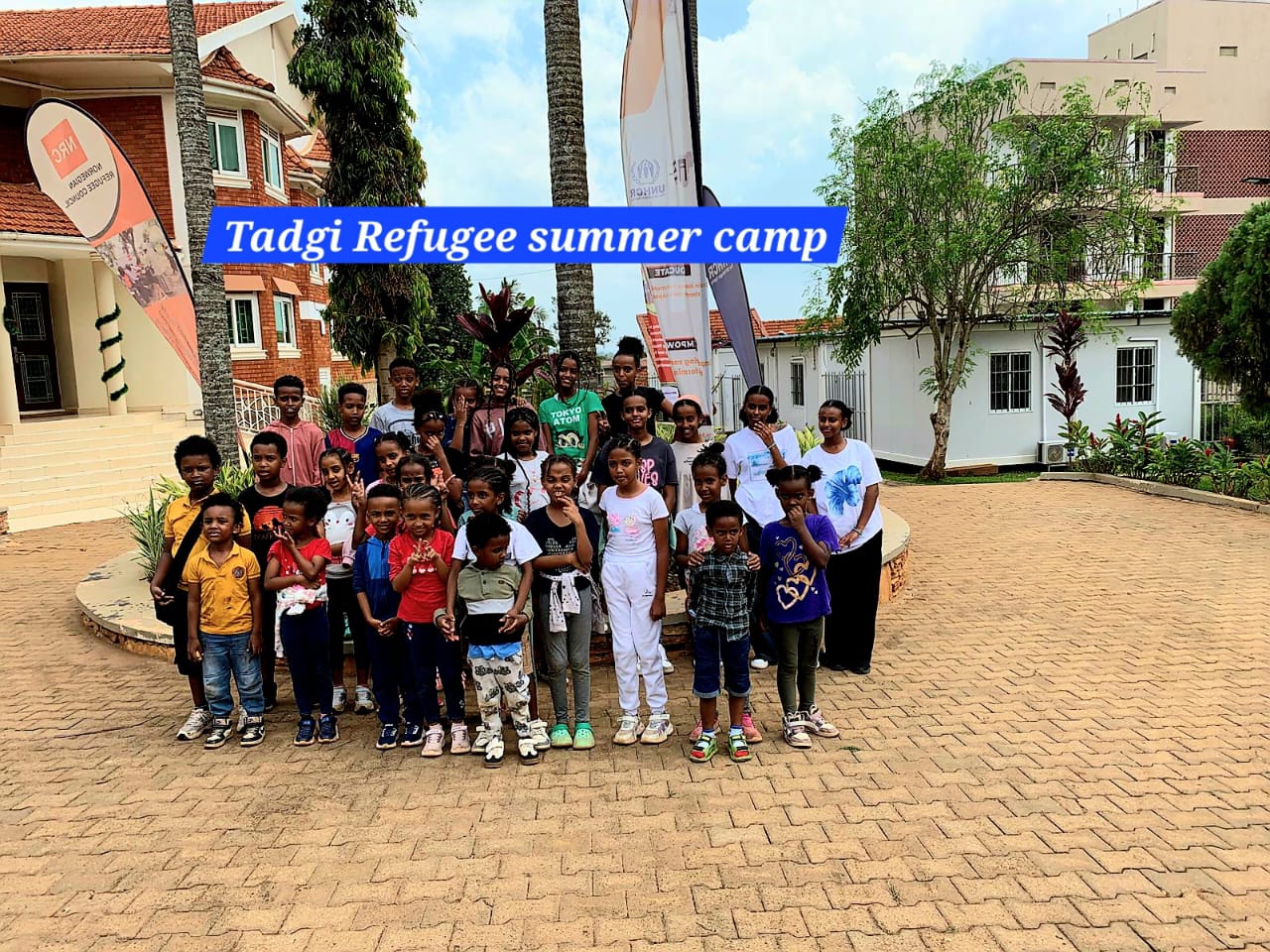
Children sit at the heart of the mission. Tadgi offers safe, inclusive environments where displaced children can access early learning, psychosocial support, and room to grow. Child care focuses on restoring normalcy through education, emotional healing, and structured play. Parents and caregivers receive tools to support healthy development at home.

Awareness and sensitization

Awareness campaigns address child protection, gender-based violence, mental health, and access to services. Community dialogues, radio, youth forums, and street theatre open conversations that challenge stigma and share practical knowledge. The aim is a safer, better-informed environment for displaced children and women.

Livelihood and skills training

Practical skills and livelihood training help displaced people, particularly women and youth, move toward self-reliance. Vocational courses, entrepreneurship workshops, and mentorship cover trades such as tailoring, agribusiness, digital literacy, and crafts. The trainings are about income, and also about agency and confidence. Graduates are linked toward cooperative networks so skills can become ongoing work.

Women empowerment

Women empowerment at Tadgi means increasing women's access to resources, opportunities, and decision-making power so equality and independence are practical, not theoretical. The work connects with livelihoods, safety, leadership, and the everyday decisions that affect children and households.

Mental health and psychosocial support

Mental health and psychosocial support covers services that strengthen psychological well-being, respond to emotional distress, and support resilience for people facing adversity. It runs through education, child care, and community gatherings rather than sitting apart from daily life.